A simulation benchmark for embodied intelligence
Mind2Act World

Benchmarking robot reasoning, physical action, and their coordination.
MIND 2.25× source speed
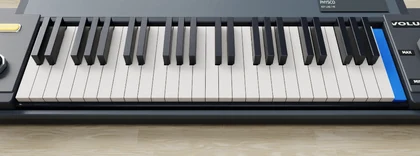
Remember the order.
Single-action focus · Right arm
Remembered sequence
0 / 12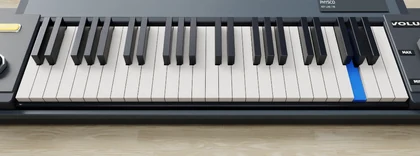 G501
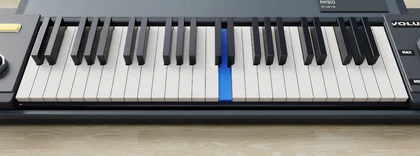 D402
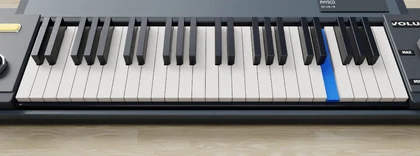 E503
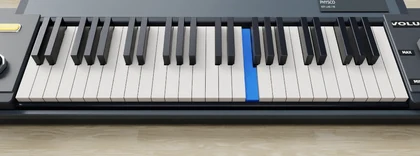 F404
 B305
 E206
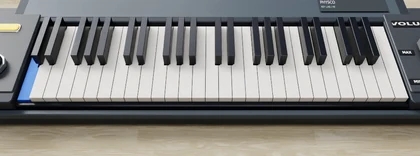 C207
 G508
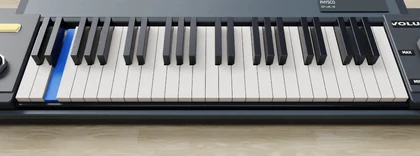 E209
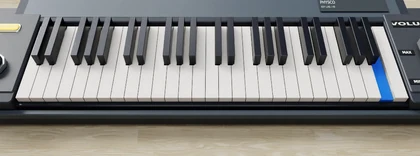 B510
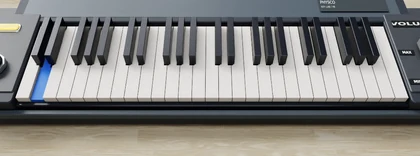 D211
 C612
Memory
Recorded tip height · cm
Stick-tip height · cm
ApproachJoint angles · °
Target / ActualMind · Remember the order.
Simulation demonstration · Illustrative memory overlay

Mind2Act WorldBenchmarking Robot Mind, Physical Act, and Mind–Act Coordination in Robotic Manipulation
1 mmlab@SIGS, Tsinghua UniversityShenzhen International Graduate School
* Co-first Authors§ Project Lead
Project preview ·
 WeChatInvite coming soon
 QQInvite coming soon
 FeishuInvite coming soon
- Tasks
- 30
- Ten per capability suite
- Task configurations
- 90
- Easy · Medium · Hard
- Capability suites
- 3
- Mind · Act · Mind2Act
- Models on the leaderboard
- 16
- 6 with results on 11 Nov


Reasoning and action,
in continuous
coordination.
Over a long horizon, a robot must remember task state, act under physical constraints, and use execution feedback to decide what comes next.
Final success alone offers limited insight into where this process breaks down.
One benchmark. Three complementary views.
Mind2Act World is a simulation benchmark for studying task reasoning, physical execution, and their coordination.
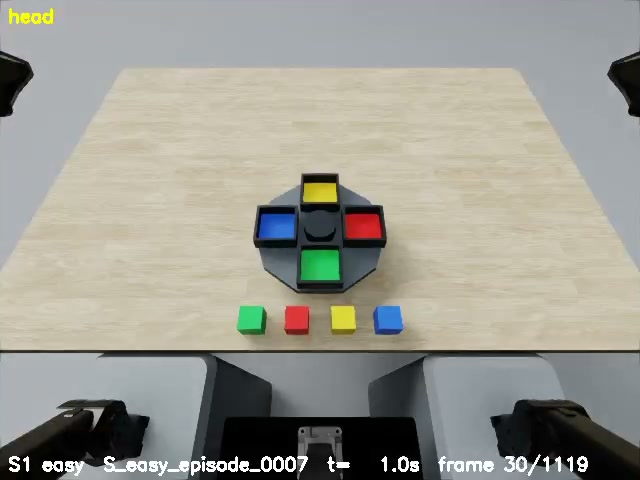
What must the robot remember or infer before it acts?
Retain task information, learn from feedback, and choose the next operation.
Explore Mind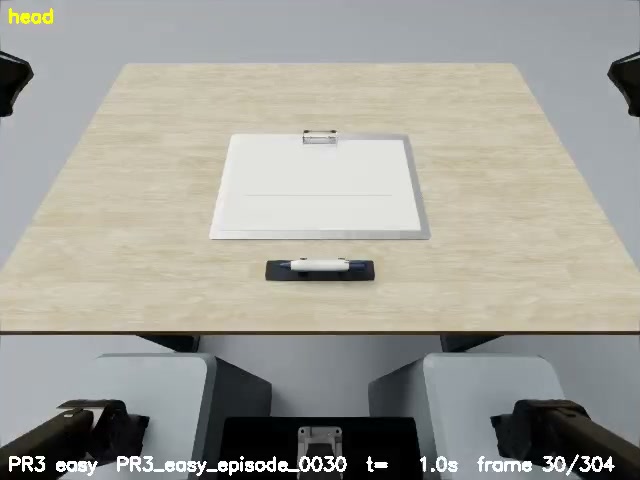
Can the robot turn the intended action into a valid physical outcome?
Respond to dynamic cues and execute precise, stable actions under physical constraints.
Explore Act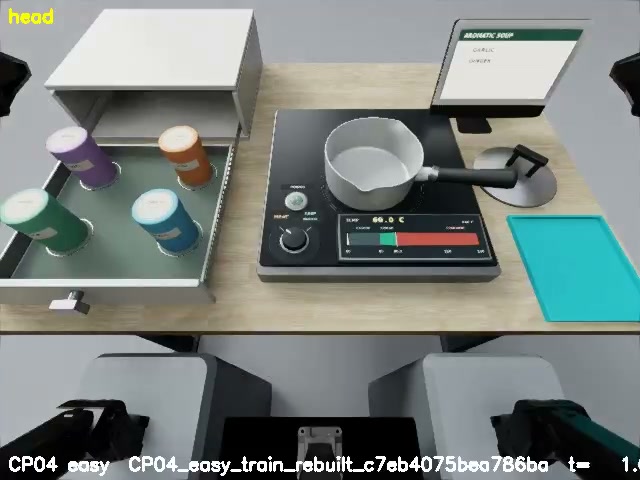
How does execution feedback change what happens next?
Coordinate task decisions and physical execution across multiple stages.
Explore Mind2ActDiagnosis
Beyond one score: a diagnosis card for every model
- 1
Three views locate the weakness
Mind and Act test reasoning and execution alone; Mind2Act joins them in one closed loop. Each is read against the expectation for the model’s level and the task difficulty.
- 2
A four-letter behavioural profile
MBTI-style letters with meanings defined by this benchmark: E acts / I thinks, S remembers what / N remembers where, T precision / F reactivity, J plans ahead / P follows feedback. Tendencies, not ability; a weak lean is shown with its stability.
- 3
Where the loop breaks
Every failed episode is traced to the first stage after which success became impossible: physics rules first, an agent judge on the evidence second, human calibration on new tasks.
- 4
A targeted next step
The largest failure stage becomes a concrete fix: an agent module for coding agents, training data for end-to-end policies, with an expected gain.
sim-fragmented · coding agent · synthetic sample
ISTJYour model is the
Bookkeeper
Feedforward Planner
Introvert · Mind-dominant · Sensing · entity memory · Thinking · precision · Judging · feedforward
“Brilliant on paper. Falls apart when the plan has to touch the real world.”
- Thinks aheadMind tasks 60.6%, 9.5 pp above expectation
- Never double-checks52% of Mind2Act failures: outcome never verified
- Fine hands, weak hand-offAct 47.2% on par, yet Mind2Act only 7.2%
Behavioural profile tendencies, not ability
Where the Mind2Act loop breaks n = 167 failures
- Perceive
- Reason
- Act
- Verify & recover
- Other
Priority 1 · Agent module
Outcome verification. Read the physical outcome after every step before choosing the next.
Expected: Mind2Act 7.2% → about 13.6% (+6.4 pp)
sim-integrated · end-to-end policy · synthetic sample
INFJYour model is the
Navigator
Feedforward Planner
Introvert · Mind-dominant · iNtuition · spatial memory · Feeling · reactivity · Judging · feedforward
“Hands wobble, but it keeps the loop closed and gets things done.”
- Moves fastReactivity-first on timing-critical tasks
- Checks its workOnly 14% of Mind2Act failures: unverified outcome
- Contact is the weak spotAct 37.8%, 14.3 pp below expectation
Behavioural profile tendencies, not ability
Where the Mind2Act loop breaks n = 117 failures
- Perceive & reason
- Act
- Verify & recover
- Other
No language log: perceive and reason are one stage.
Priority 1 · Training data
Contact-rich demonstrations. Add contact-rich manipulation demonstrations and millimetre-level alignment data.
Expected: Act 37.8% → about 60.3% (+22.5 pp)
Sixteen profiles, four families
The letters are borrowed from MBTI; their meanings are defined by this benchmark. Each axis shows the side a model leans to, so every model gets one of sixteen codes; the first and last letters set the family.
- E Act-dominant / I Mind-dominant
- S entity memory / N spatial memory
- T precision / F reactivity
- J feedforward / P feedback
I··J
Feedforward Planner
Reasons better than it executes; plans first, then carries the plan out.
Strong at Multi-step sequences that need looking ahead
Watch for Rarely corrects when the outcome drifts from the plan
- ISTJBookkeeper
- ISFJDispatcher
- INTJChess Player
- INFJNavigator
I··P
Feedback Adapter
Reasons better than it executes; corrects step by step from what it sees.
Strong at Changing scenes that reward correction
Watch for Long sequences and one-shot precise moves
- ISTPInspector
- ISFPScout
- INTPSurveyor
- INFPPathfinder
E··J
Procedural Executor
Executes better than it reasons; follows a fixed procedure.
Strong at Fixed, repetitive procedures
Watch for Remembering changing facts or inferring new rules
- ESTJAssembler
- ESFJLine Expert
- ENTJEngineer
- ENFJConductor
E··P
Servo Responder
Executes better than it reasons; steady hands that adjust quickly as the scene changes.
Strong at Dynamic interception and feedback-based fine tuning
Watch for Tasks that need multi-step memory and planning
- ESTPFixer
- ESFPAcrobat
- ENTPTuner
- ENFPGoalkeeper
Synthetic samples. Both cards were generated from fault-injected simulated policies to show the card’s format and logic; they are not results of any real model. Full sample card (PDF, earlier v4 letters)
Coming soon
Your model. Decoded, then trained.
A diagnosis card is the first visit. Next, the Mind2Act harness writes a training plan from it: targeted data goes back to the model, the model is evaluated again. Its scores rise and its behavioural profile shifts round by round, from one family to another, and every model it treats makes the harness a better doctor.
-
Your model Round 1
Profile ISTJ
Bookkeeper · Feedforward Planner
- Mind
- Act
- Mind2Act
-
1 · Evaluate
Three views
- Mind
- Act
- Mind2Act
30 tasks, scored the same way for every model.
-
2 · Diagnose
Diagnosis card
ISTJLoop breaks at ActWhere it fails, why, and what to change first.
-
3 · Prescribe
Targeted data
The data engine builds the dose for the weak view.
4 · Train on the prescription, then evaluate again
Illustration of planned work. The bars and profile codes are not results of any model.
Leaderboard
Two boards, one benchmark
VLA / WAM
50 cases per task × difficulty
Results on 11 November
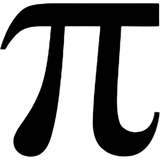 π0.5Physical Intelligence
 X-VLATsinghua AIR
 G0.5Galaxea AI
 AwomoAwomo
+ 10 more queued
Coding Agent
5 cases per task × difficulty
Results on 11 November
 DeepSeek V4.1 FlashDeepSeek
 Gemini 4 ArgonGoogle
Benchmark
30 tasks, three suites
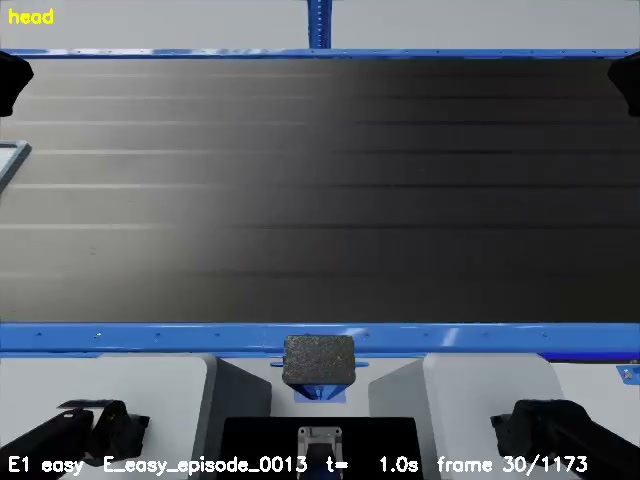
 EDuplicate Identification
 E2Object-Code Keypad
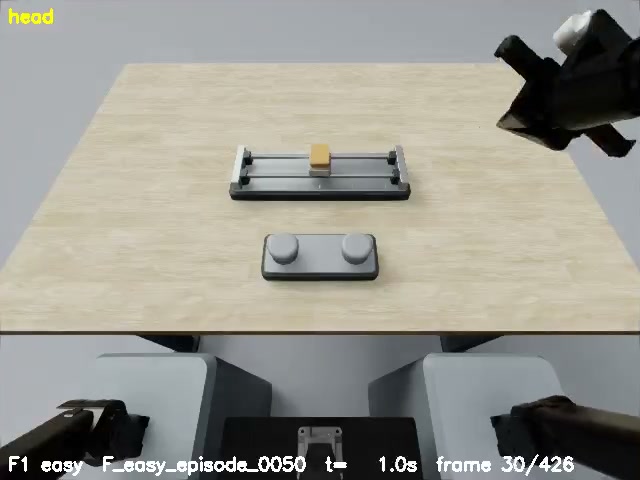
 FButton Mapping
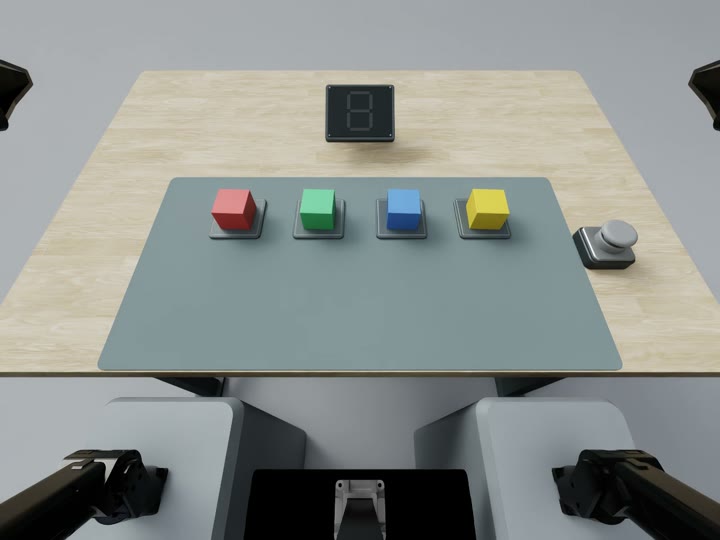 F2Color-Block Ordering
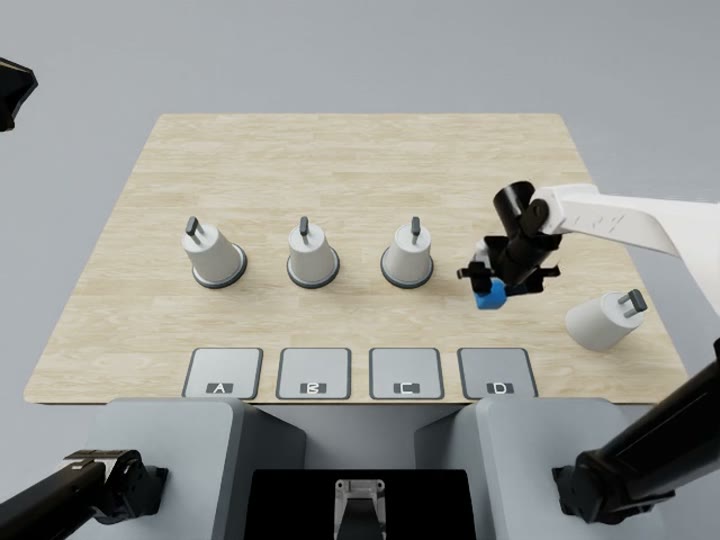 MWorkpiece Tracking
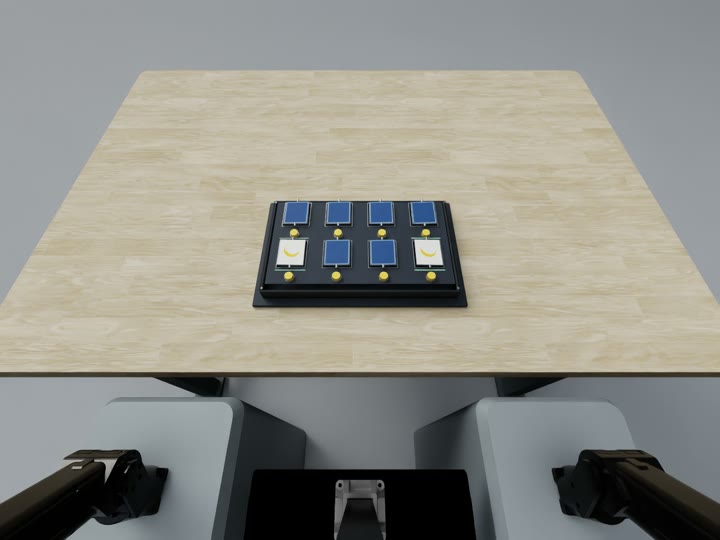 M2Memory Card Matching
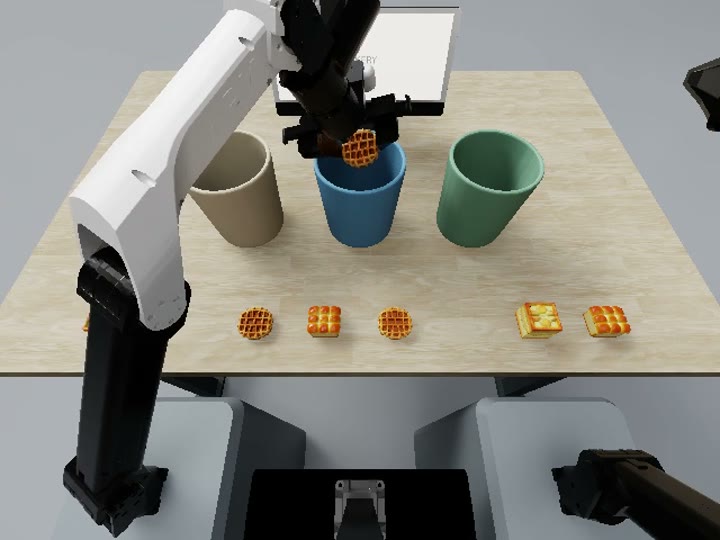 PMeal Assembly
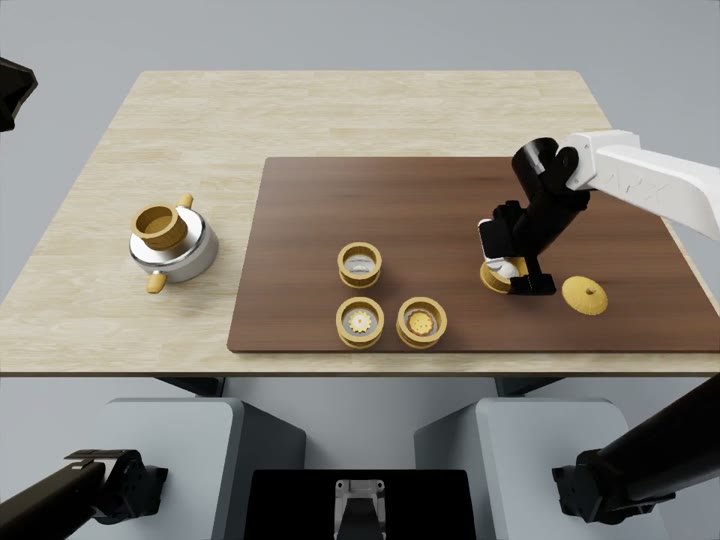 P2Steamer Stack Order
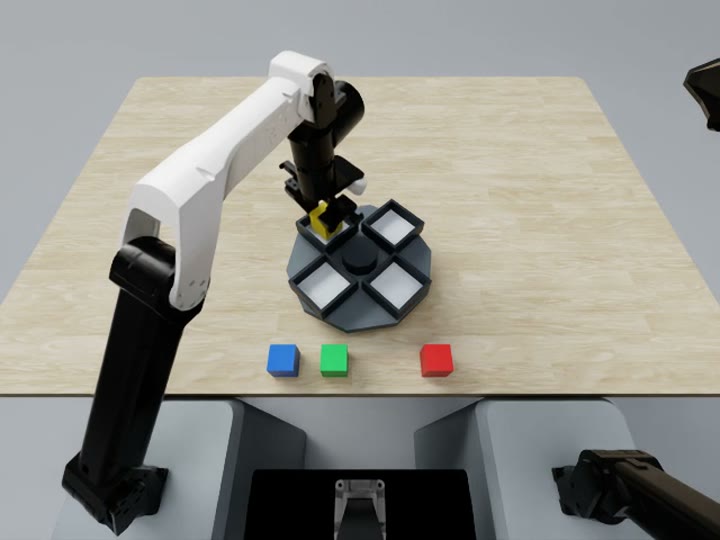 SLayout Reconstruction
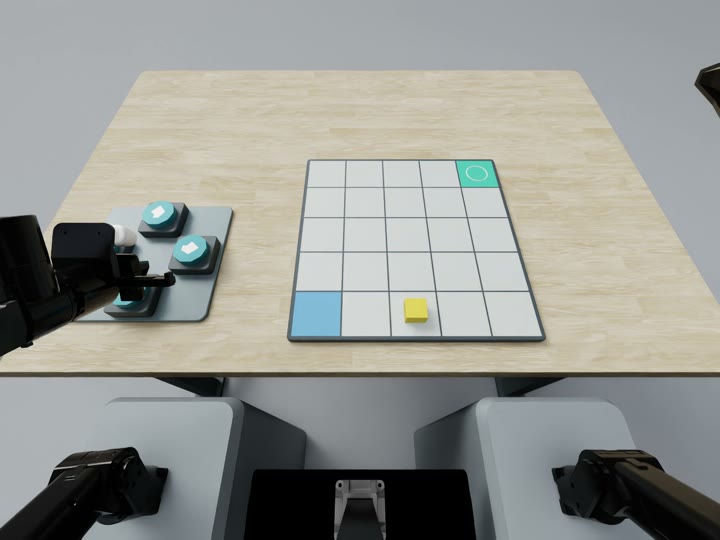 S2Hidden-Zone Navigation
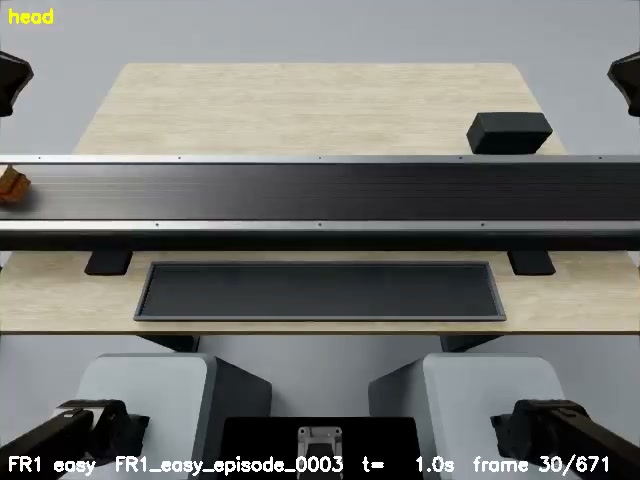
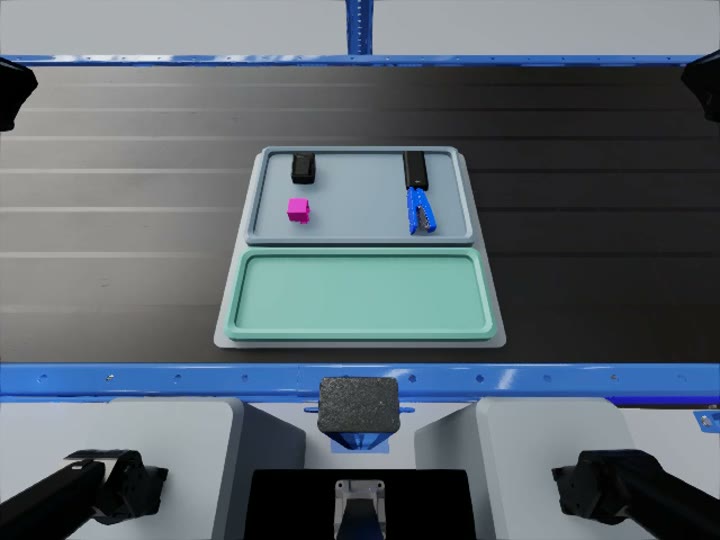
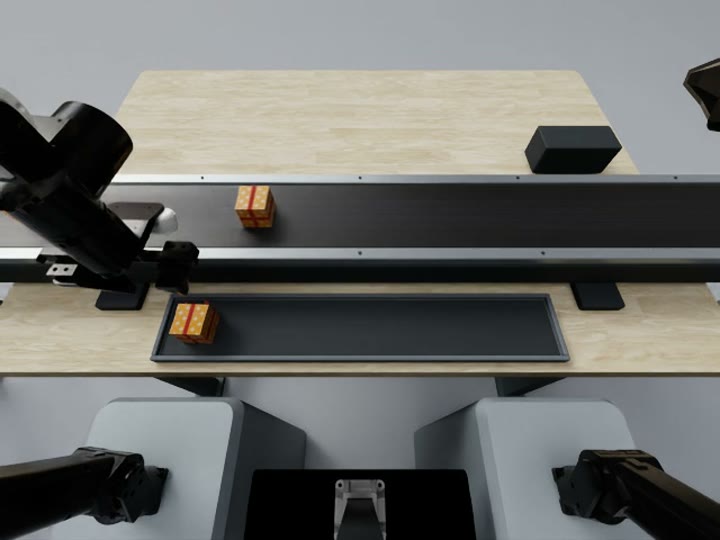 FR1Conveyor Picking
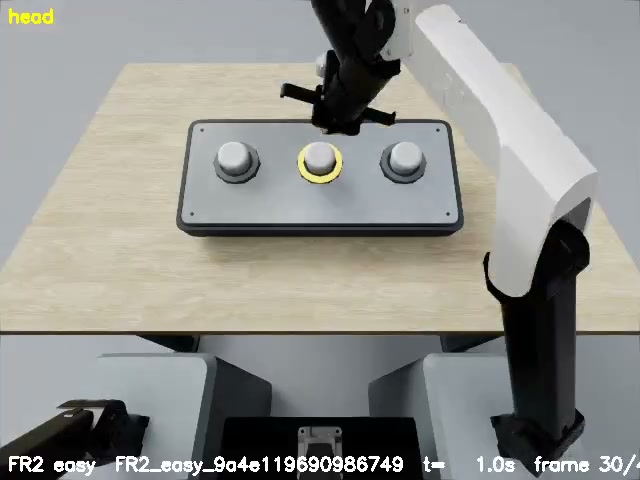
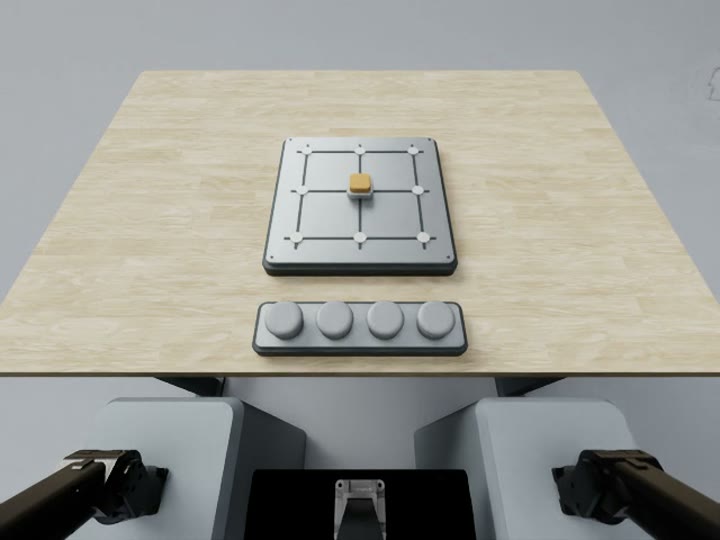
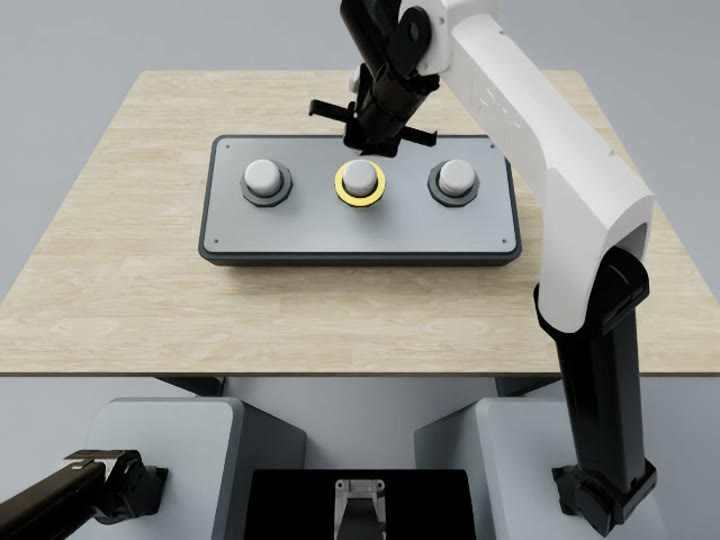 FR2Button Response
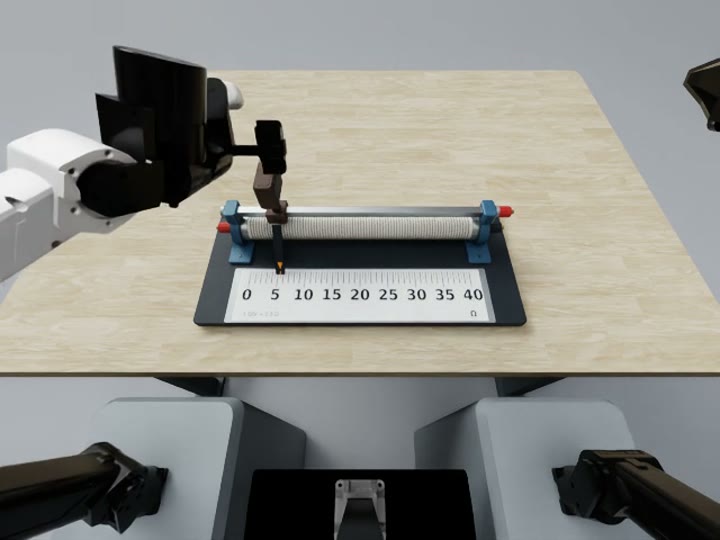 PR1Linear Adjustment
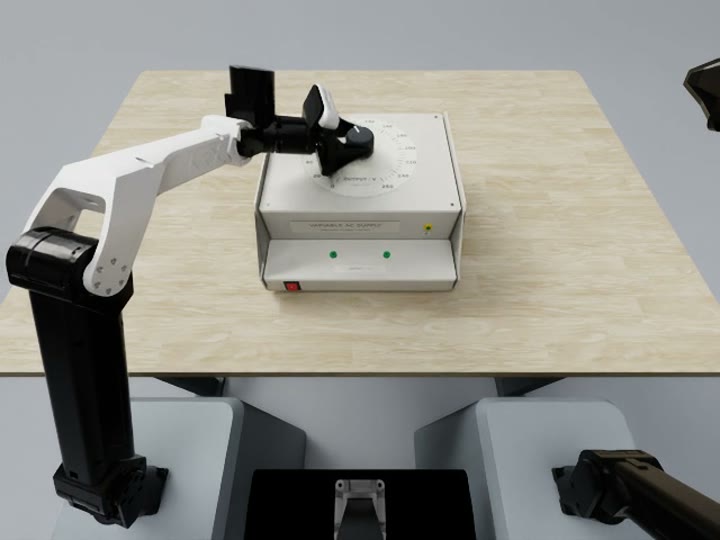 PR2Rotary Adjustment
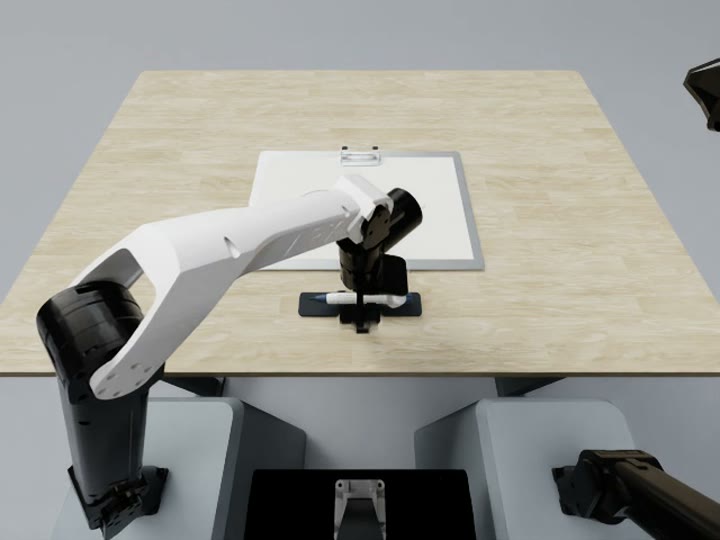 PR3Line Tracing
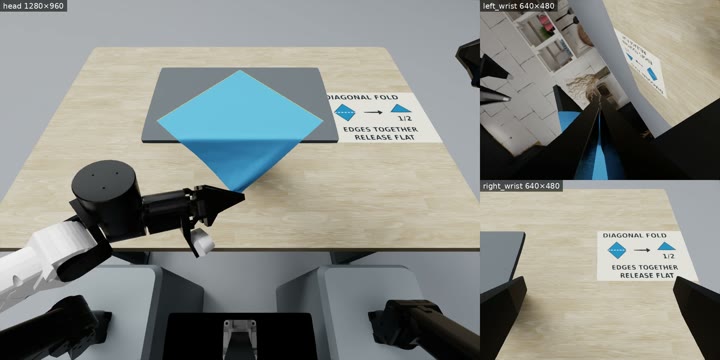 PR4Cloth Edge Alignment
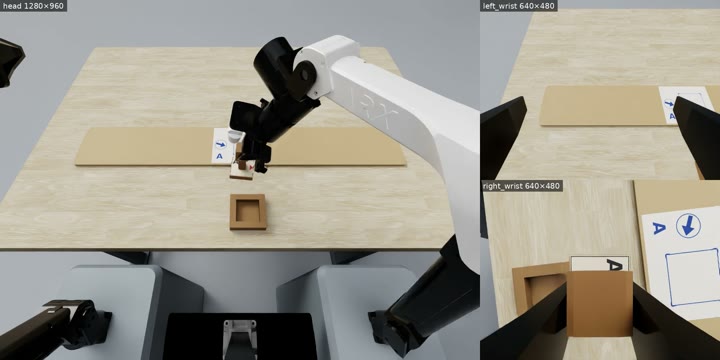 PR5Oriented Stamping
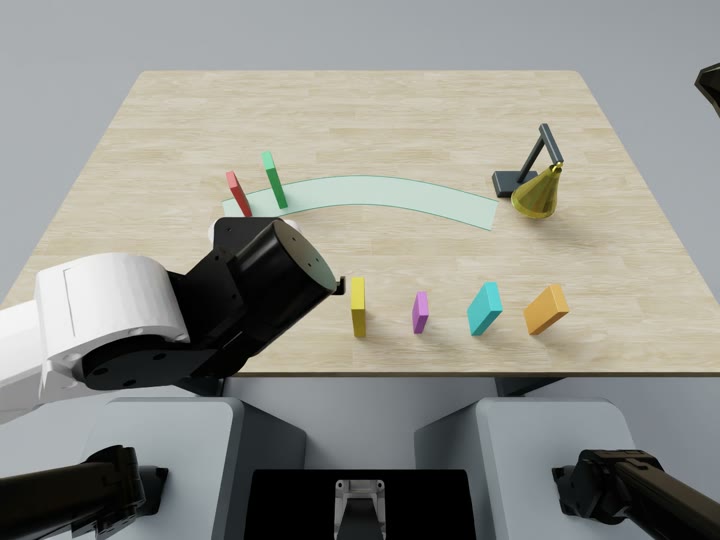 PR6Domino Chain
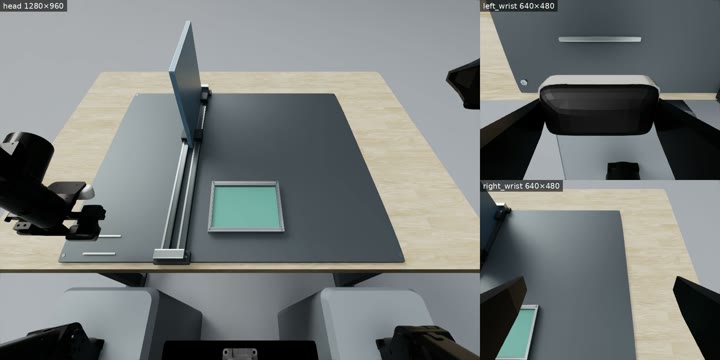 DR3Periodic Gate Crossing
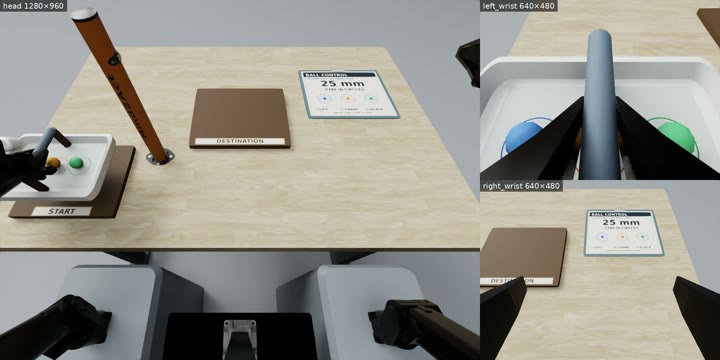 DR7Ball-on-Tray Transport
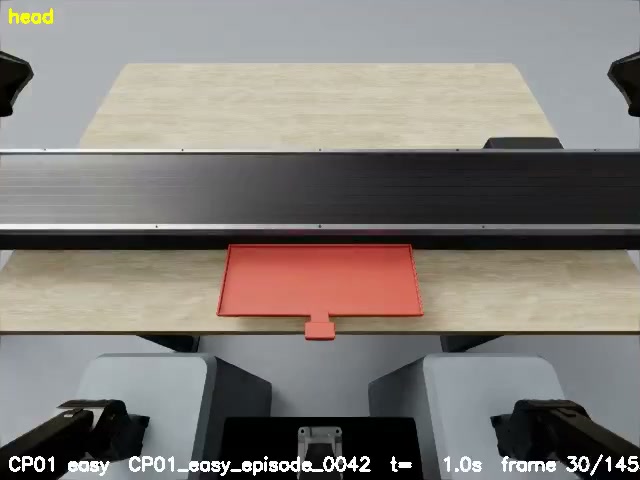
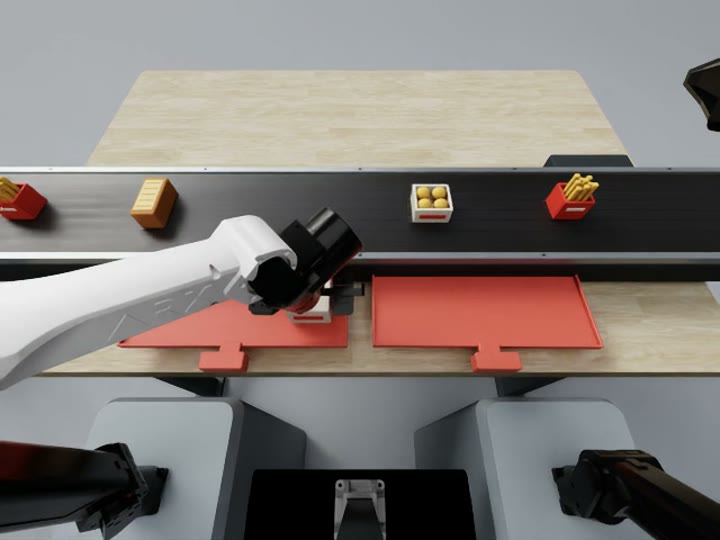 CP01Conveyor Meal Assembly
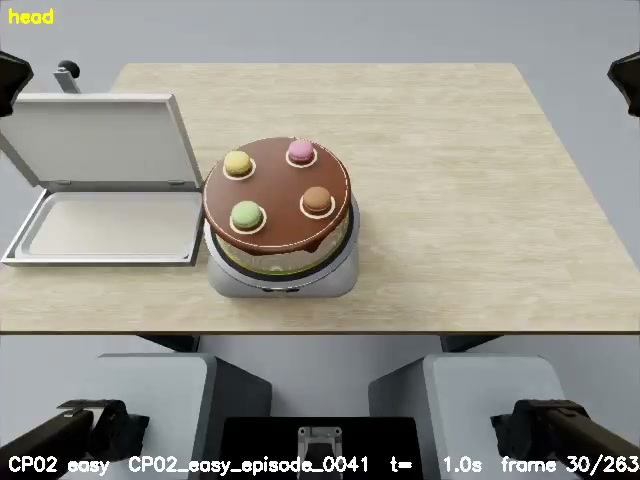
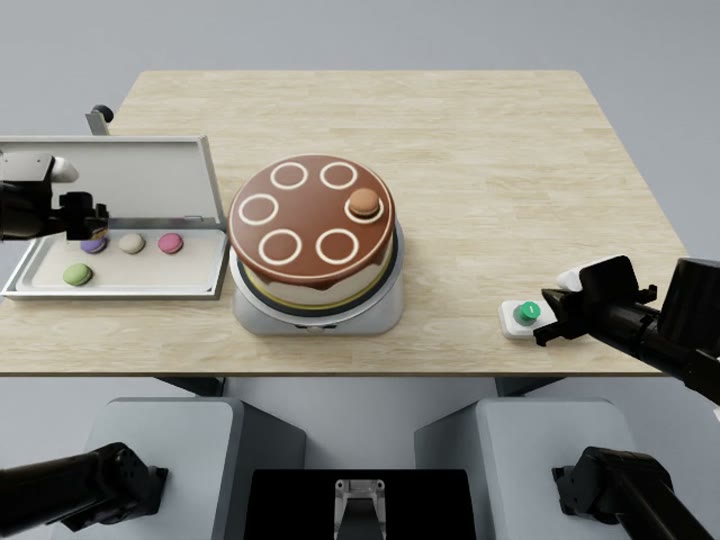 CP02Cake Decoration
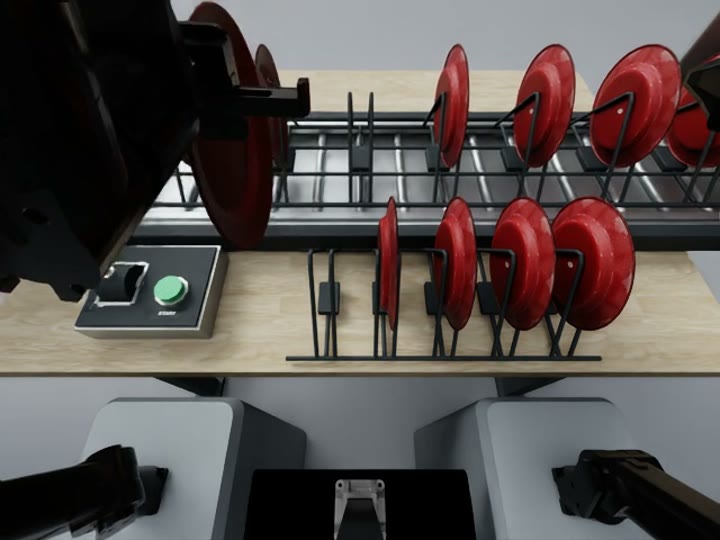 CP03Rack Loading
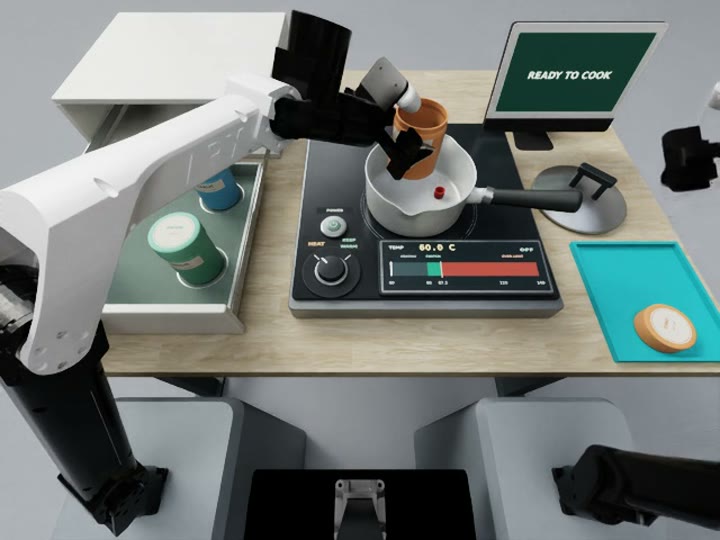 CP04Dual-Arm Cooking
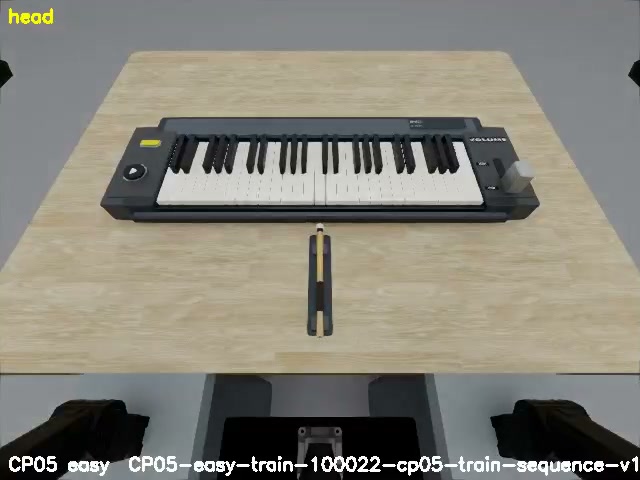
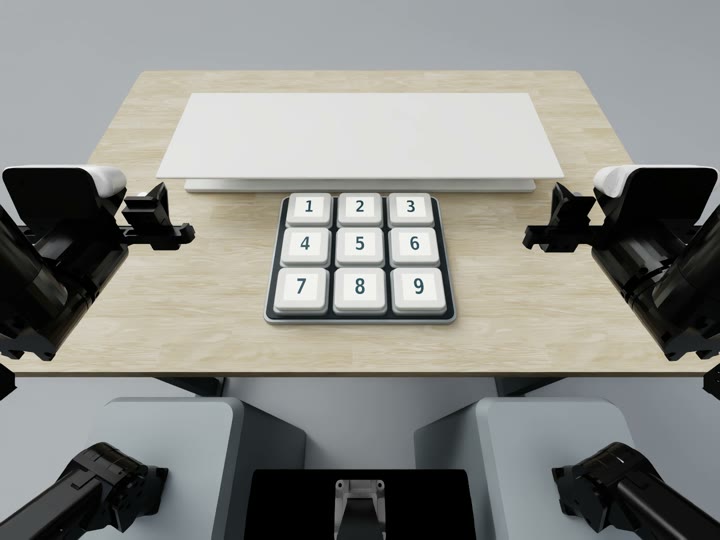
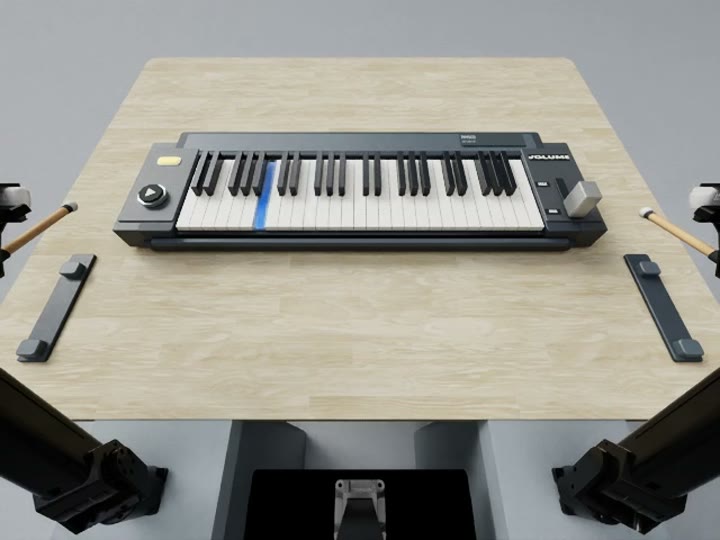 CP05Keyboard Sequence
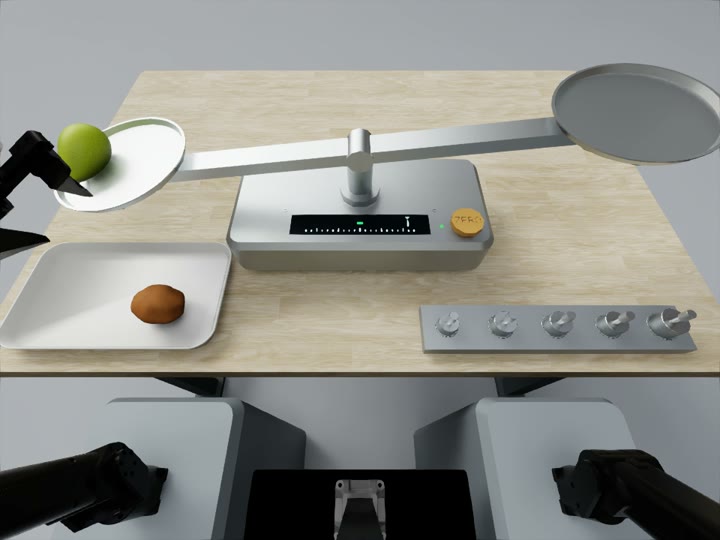 CP06Produce Balancing
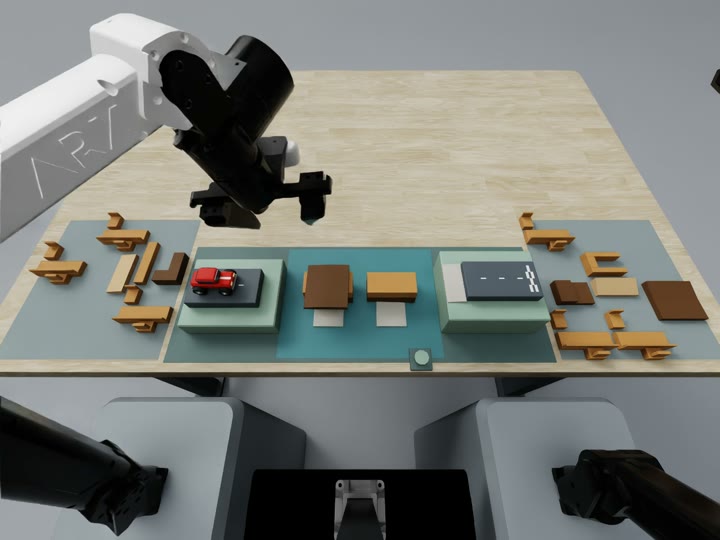 CP07Bridge Construction
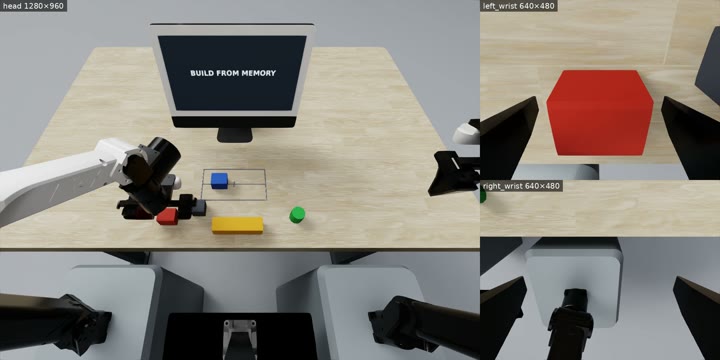 CP08Block Construction
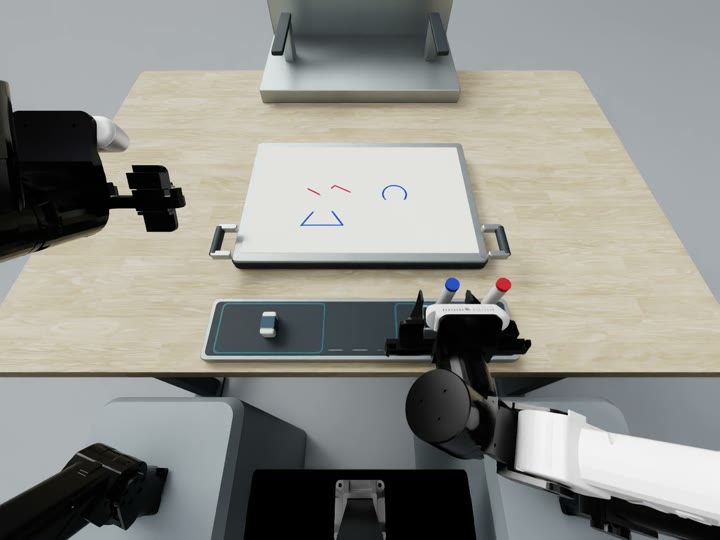 CP09Drawing Reconstruction
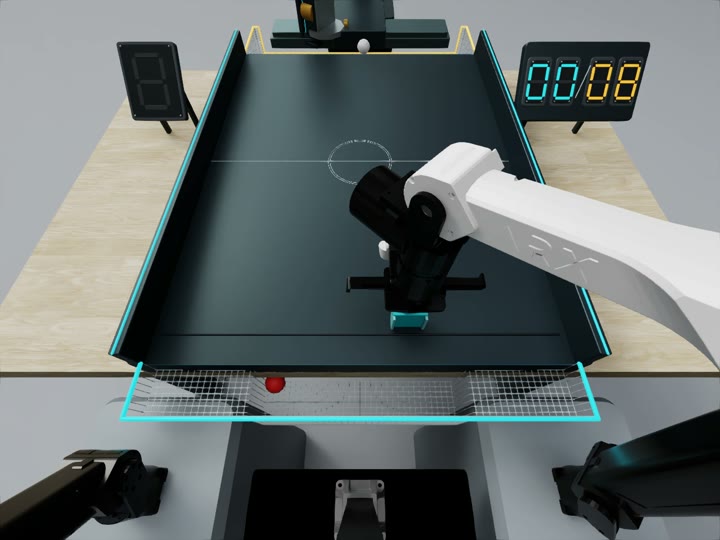 CP10Predictive Ball Return
News
Explore task demonstrations with a redesigned viewing page, clearer instructions, and Easy / Medium / Hard switching.
Browse 15 robotic manipulation tasks across the Mind, Act, and Mind2Act suites.
Preview the three leaderboard views and the evaluation dimensions for comparing reasoning and physical execution.